Three autistic kids reflect on the strengths & struggles of living with autism
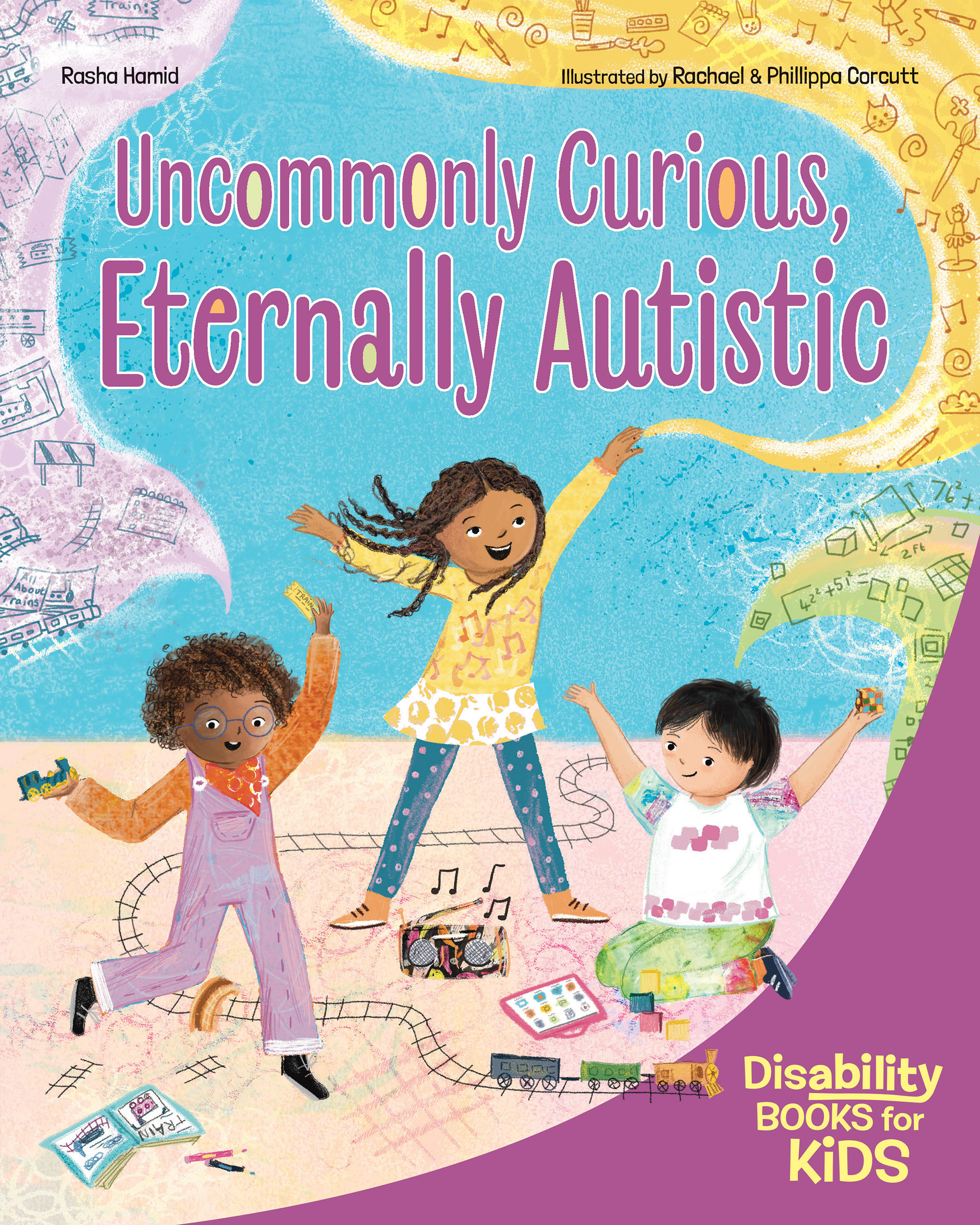
In Uncommonly Curious, Eternally Autistic, Elijah, Izzy, & Rio explain what it's like to live with autism. They share their special interests, show what helps when they feel overstimulated, & describe how they communicate. For now, they sometimes have to mask their autistic traits to fit in & be safe, but they believe in a future where the world will make space for them, just as they are. Together, the three children learn, play, & celebrate the many ways they are autistically amazing.
• Written by an autistic author, drawing on her own experience
• Depicts three autistic kids who explain special interests, stimming, masking, and other autistic experiences
• Celebrates autistic joy & offers an empowering self-representation for autistic kids
• Helps children develop empathy & understanding with first-person storytelling from a child's perspective
The Disability Books for Kids series explores visible & invisible disability in the first person, as seen through the eyes of children & written from lived experience. The series builds allyship, challenges ableism, and celebrates difference, empowering & educating all readers. Each book includes an author's note to the reader.
"A universe full of stars 🌟🌟🌟🌟🌟 for this beautiful, necessary story." -Katie W, Reviewer